
The automotive world is undergoing a seismic shift, steering decisively towards an electric future. Electric Vehicles (EVs) represent the vanguard of this transformation, promising zero tailpipe emissions, whisper-quiet operation, and exhilarating instant torque. However, for many prospective buyers and current owners, a significant question looms large, often fueled by uncertainty and myths: What about the cost of replacing the battery? This high-voltage heart of the EV is its most critical and most expensive component. Understanding the intricacies of battery replacement costs is not about fostering fear, but about empowering consumers with knowledge. This definitive guide will demystify EV battery replacement, exploring the factors that influence cost, strategies to maximize battery life, and the evolving landscape that promises to make EVs more accessible for everyone.
A. Deconstructing the Power Core: What is an EV Battery?
Before delving into costs, it’s crucial to understand what we’re discussing. An EV battery isn’t a single, monolithic unit like the lead-acid battery in a conventional car. It is a highly sophisticated and meticulously engineered system.
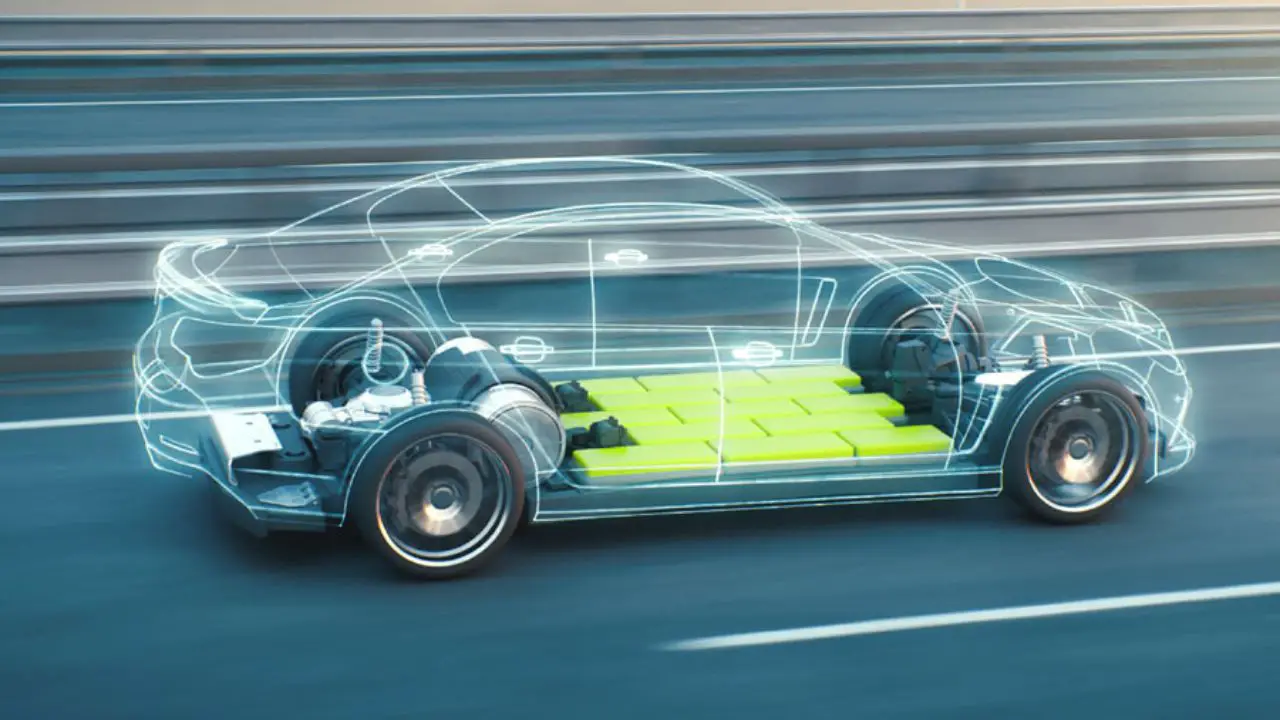
A. The Battery Pack Architecture: Think of the EV battery as a complex ecosystem. At its most basic level, it consists of:
* Battery Cells: These are the fundamental building blocks, similar in concept to the AA batteries in your remote but far more advanced. Thousands of individual lithium-ion cells store the electrical energy.
* Battery Modules: Groups of cells are bundled together into modules. This modular design simplifies manufacturing, repair, and recycling.
* The Battery Pack: This is the final, complete unit that you would replace. It houses all the modules, along with a suite of critical support systems integrated into a rigid, protective casing.
B. The Critical Battery Management System (BMS): The BMS is the brain of the operation. This sophisticated electronic overseer performs several vital functions:
* Monitoring: It constantly tracks the voltage, current, and temperature of each cell and module.
* Balancing: It ensures all cells charge and discharge at uniform rates, preventing any single cell from being overstressed, which is crucial for longevity.
* Thermal Management: It controls the heating and cooling systems to keep the battery within its ideal temperature range, optimizing performance and safety.
* Protection: It safeguards the battery from dangerous conditions like overcharging, deep discharging, and short circuits.
C. The Thermal Management System: Lithium-ion batteries operate best within a specific temperature window. The thermal management system which can be liquid-cooled, air-cooled, or refrigerant-cooled is essential for maintaining this balance. It warms the battery in cold weather to preserve efficiency and cools it during fast charging or aggressive driving to prevent degradation.
The cost of a replacement battery isn’t just for the raw materials and cells; it also includes this complex web of electronics, cooling infrastructure, and robust packaging.
B. The Multifaceted Factors Dictating Replacement Cost
There is no single, universal price tag for an EV battery. The cost is a variable figure influenced by a confluence of factors, making it essential to consider the specific context.
A. Battery Capacity (kWh): The Fuel Tank Analogy
The capacity of a battery, measured in kilowatt-hours (kWh), is the primary driver of cost. A simple analogy is a fuel tank: a larger tank holds more fuel and costs more to manufacture. Similarly, a larger battery pack with a higher kWh rating provides more driving range and requires more raw materials (like lithium, cobalt, and nickel), directly increasing its price. Replacing a 40 kWh battery from a standard-range vehicle will be significantly less expensive than replacing a 100 kWh or larger pack from a luxury or long-range model.
B. Vehicle Make and Model: The Brand Premium
Just as parts for a luxury European sedan are more expensive than those for an economy car, the same principle applies to EVs. Batteries for premium brands like Tesla, Lucid, or Porsche often command a higher price point due to brand-specific technology, proprietary designs, and the higher cost of labor and parts associated with those marques. Furthermore, the complexity of the replacement process can vary, influencing labor costs.
C. New vs. Refurbished/Remanufactured vs. Salvaged
This is one of the most significant differentiators in cost.
* New Battery Pack: Directly from the manufacturer, this is the “gold standard” option. It comes with a full warranty and the promise of maximum performance and lifespan. It is also the most expensive route.
* Refurbished or Remanufactured Pack: These are used battery packs that have been disassembled, tested, and had underperforming or faulty modules replaced. They are then reassembled and sold at a substantial discount compared to a new pack. The warranty is typically shorter, but this can be an excellent cost-effective solution.
* Salvaged Pack: Sourced from a wrecked EV, a salvaged pack is the least expensive option. However, it carries the highest risk. Without a detailed history and diagnostic report, its state of health (SOH) is unknown, and it may come with a very short or no warranty.
D. Labor Costs and Dealer Markup
The physical act of replacing an EV battery pack is a complex procedure. It requires specialized training, high-voltage safety certification, and specific tools. Labor rates can vary dramatically based on your geographic location and whether you use a dealership or an independent specialist garage. Dealerships often charge a premium for labor and parts, while independent shops may offer more competitive rates as the EV aftermarket matures.
E. The Core Charge and Old Battery Value
Many suppliers will implement a “core charge,” a common practice in the auto parts industry. You are charged an additional fee upfront, which is refunded when you return your old, depleted battery pack. This core is valuable because its materials can be recycled and its functional modules can be harvested for use in refurbished packs or for secondary-life applications.
C. A Realistic Look at the Price Spectrum
While headlines often scream about costs exceeding $20,000, the reality is more nuanced and heavily dependent on the factors above.
-
Economy and Mid-Range EVs (e.g., Nissan Leaf, Chevrolet Bolt): For these vehicles, a brand-new replacement battery pack from the manufacturer can range from $5,000 to $15,000, including parts and labor. A refurbished pack could bring this cost down to the $3,000 to $9,000 range.
-
Premium and Long-Range EVs (e.g., Tesla Model S, Ford Mustang Mach-E, Audi e-tron): For these high-capacity vehicles, a new battery pack replacement is a major expense, typically falling between $13,000 and $25,000+. The immense size and energy density of these packs, coupled with the brand premium, drive the cost upward.
-
Module-Level Replacement: A critical point often overlooked is that a complete pack replacement is not always necessary. If the failure is isolated to a specific module, a skilled technician can sometimes replace just the faulty module(s) at a fraction of the cost of a full pack swap. This can turn a $15,000 job into a $3,000 – $5,000 repair.
D. The Lifespan Equation: How Long Does an EV Battery Actually Last?
The fear of replacement is often tied to the assumption that batteries fail quickly. This is a misconception. Modern EV batteries are designed to be remarkably durable.
A. Understanding Battery Degradation
Over time and use, any rechargeable battery loses its ability to hold a full charge. This is called degradation. For an EV, this translates to a gradual reduction in driving range. It’s important to note that degradation is not linear; it’s most pronounced in the first few years and then slows down significantly, plateauing for the majority of the battery’s life.
B. Industry Benchmarks and Warranty Coverage
Most automakers warranty their EV batteries for a period of 8 years or 100,000 miles, whichever comes first. Some, like Hyundai and Kia, offer even more extensive 10-year/100,000-mile warranties. The crucial part of this warranty is the capacity retention guarantee. Most manufacturers guarantee that the battery will retain 70% of its original capacity during the warranty period. This means that if your battery degrades to 69% capacity within 8 years, the manufacturer is obligated to repair or replace it, often at no cost to you. In reality, most well-cared-for batteries far exceed this minimum, often retaining 80-90% of their capacity after 8 years.
C. Key Factors Influencing Battery Longevity
Your driving and charging habits play a monumental role in how long your battery lasts.
* Charging Habits: Consistently using DC Fast Charging (Level 3) generates more heat and stresses the battery more than slow, AC Level 1 or 2 charging at home. For optimal battery health, fast charging should be used for long trips, not as a primary charging method.
* State of Charge (SoC): Keeping your battery consistently at a 100% charge or letting it drop to 0% puts strain on the chemistry. Most experts and manufacturers recommend setting a daily charge limit to 80-90% and only charging to 100% when preparing for a long journey.
* Climate Exposure: Extreme heat is the nemesis of lithium-ion batteries, accelerating degradation. Consistent exposure to very cold temperatures can also impact performance and long-term health, though to a lesser extent than heat.
* Usage Patterns: Frequent high-load situations, such as aggressive acceleration and high-speed driving, contribute to faster wear and tear.
E. Proactive Preservation: Maximizing Your Battery’s Lifespan
Prevention is always better than cure. By adopting smart ownership habits, you can significantly extend the life of your EV’s battery and mitigate the risk of a premature, costly replacement.
A. Embrace the 20-80% “Sweet Spot” Rule: For daily use, try to keep your battery’s state of charge between approximately 20% and 80%. This minimizes stress on the electrodes and helps maintain long-term health.
B. Minimize Reliance on DC Fast Charging: Treat rapid charging as a convenience for road trips, not a daily ritual. The slower, gentler charge from a home or workplace Level 2 charger is far kinder to your battery’s chemistry.
C. Avoid Long-Term Storage at Full or Empty Charge: If you plan to store your EV for an extended period (e.g., a month or more), the ideal charge level for storage is around 50%.
D. Utilize Built-In Features: Most modern EVs have features like “Scheduled Charging” and “Charge Limit Setting.” Use them! Program your car to finish charging just before you need it, rather than letting it sit at 100% for days. Many also have a “Trip Planning” mode that pre-conditions the battery for fast charging, making the process more efficient and less damaging.
E. Park in Moderate Temperatures When Possible: Parking in a garage or shaded area during scorching summer days can help reduce thermal stress on the battery pack.
F. The Future is Promising: Trends Driving Costs Down
The narrative of exorbitant battery replacement costs is a snapshot in time. The trajectory is decisively pointing toward greater affordability.
A. Plummeting Raw Material and Manufacturing Costs: The cost to produce lithium-ion battery packs has been on a steep downward curve for over a decade. According to BloombergNEF, the volume-weighted average price fell from over $1,200 per kWh in 2010 to just $139 per kWh in 2023. As manufacturing scales up, chemistries evolve (e.g., Lithium Iron Phosphate or LFP batteries, which use cheaper, more abundant materials), and supply chains become more efficient, this cost is expected to continue falling.
B. The Rise of a Robust Aftermarket and Recycling Ecosystem: Currently, the replacement market is dominated by OEMs. However, as the number of EVs on the road surges, a strong independent aftermarket is emerging. Companies are specializing in battery diagnostics, module replacement, and selling certified refurbished packs. Furthermore, advanced recycling processes are being developed to recover over 95% of key battery materials like lithium, cobalt, and nickel. This creates a circular economy, reducing the need for new mining and lowering the long-term cost of raw materials.
C. Technological Advancements in Battery Chemistry: Breakthroughs in solid-state batteries, silicon-anode technology, and other next-generation chemistries promise not only higher energy density and faster charging but also significantly longer lifespans and improved safety. As these technologies mature and reach mass production, the very concept of “battery replacement” may become a rarity.
D. Innovative Business Models: Battery Leasing and Swapping: Some companies, notably NIO in China, are pioneering battery-as-a-service (BaaS) models. Customers purchase the car but lease the battery. This lowers the initial purchase price and transfers the long-term degradation risk and potential replacement cost to the company. Battery swapping stations, where a depleted pack is exchanged for a fully charged one in minutes, also present an alternative model that could render ownership of a specific battery pack obsolete.
Conclusion: An Informed Investment in a Sustainable Future
While the potential cost of an EV battery replacement is a valid consideration, it should not be a primary deterrent to EV ownership. The reality is that for the vast majority of owners, a full battery replacement will not be necessary within the vehicle’s typical ownership period, thanks to robust warranties and long-lasting battery technology. The evolving landscape of falling prices, a growing aftermarket, and rapid technological advancement promises to make this concern even less relevant in the coming years.
The key takeaway is to be an informed consumer. Understand the factors that influence cost, leverage the extensive manufacturer warranty, and adopt driving and charging habits that promote battery longevity. View the EV battery not as a looming financial time bomb, but as a sophisticated, durable, and warrantied component that is the key to a cleaner, quieter, and more sustainable driving experience. By focusing on the total cost of ownership which for EVs is often lower than for gasoline vehicles due to reduced maintenance and fuel costs the narrative shifts from one of fear to one of confident, forward-thinking investment.