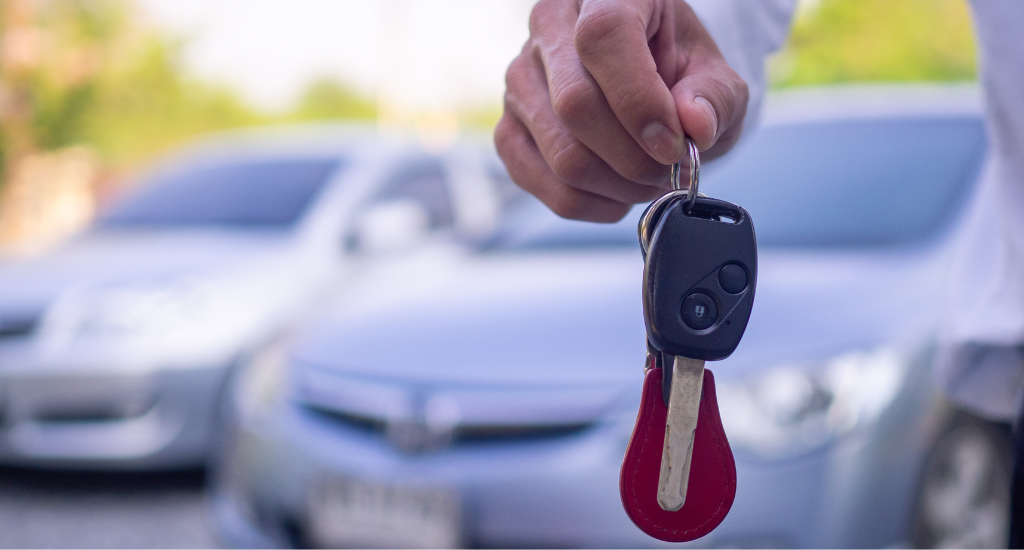
For over a century, the metallic jingle of car keys has been the universal overture to every journey. From the simple, single-piece keys of the Model T to the sophisticated, encrypted transponder keys of the late 20th century, our means of accessing and starting our vehicles have evolved in step with the cars themselves. The subsequent leap to keyless fobs and push-button start systems felt like the pinnacle of convenience. Yet, a far more profound transformation is quietly dismantling this long-standing paradigm. We are standing at the precipice of a new era where the key to your car is no longer a physical object you carry, but an intrinsic part of who you are. The age of biometric vehicle access is no longer a sci-fi fantasy; it is rolling off production lines and into our driveways, promising a future of unprecedented security, hyper-personalization, and seamless interaction.
This comprehensive exploration delves into the intricate world of biometrics in the automotive sector. We will dissect the technologies driving this change, move beyond the hype to analyze the tangible benefits and critical challenges, and project a vision of a future where your car recognizes you with a simple touch or glance.
A. Understanding the Core Biometric Technologies Reshaping Automotive Access
Biometrics refers to the unique physiological or behavioral characteristics that can be used to verify an individual’s identity. In the context of vehicles, these systems are integrated into the car’s architecture to grant access and authorize ignition. Several technologies are leading this charge, each with its own mechanism and application.
A. Fingerprint Recognition: Arguably the most familiar form of biometrics, thanks to its widespread use in smartphones, fingerprint scanners are now finding a home in vehicles. Typically, a sensor is embedded in the door handle or the start/stop button.
* How it Works: When a user places their finger on the sensor, it captures the unique patterns of ridges and valleys. Advanced systems use capacitive or ultrasonic technology to create a detailed 3D map of the fingerprint, which is then compared against a securely stored template within the car’s Electronic Control Unit (ECU). A match unlocks the doors and enables the start button.
* Automotive Application: Brands like Genesis (in the GV60 and G90) and certain BMW models have already implemented this. It offers a direct replacement for the physical key, ensuring that only registered fingerprints can operate the vehicle.
B. Facial Recognition: This technology uses a small, strategically placed camera, often in the B-pillar or near the rearview mirror, to scan the driver’s face.
* How it Works: The camera captures an image or, more securely, a depth map of the driver’s facial structure, analyzing the geometry of features like the distance between the eyes, the contour of the cheekbones, and the shape of the jawline. Sophisticated algorithms, resistant to spoofing by photographs, convert this data into a mathematical model. The system can often work in low-light conditions using infrared technology.
* Automotive Application: Chinese EV maker NIO and BMW’s iX have featured facial recognition systems that not only unlock the car but also adjust seating positions, mirror angles, and climate control settings to the recognized user’s preferences as they approach.
C. Voice Recognition: While used for years for infotainment commands, voice biometrics is evolving to become a secure access tool.
* How it Works: This system analyzes the unique characteristics of a person’s voice, known as a voiceprint. It doesn’t just recognize the command “unlock the door”; it verifies that the command is coming from an authorized user by assessing pitch, tone, cadence, and other vocal nuances that are nearly impossible to replicate.
* Automotive Application: This is still in developmental stages for primary access but is being explored as a secondary layer of security or for specific functions like accessing a personal garage or valet mode.
D. Iris or Retina Recognition: Representing the pinnacle of biometric accuracy, these systems scan the unique patterns of the iris (the colored ring around the pupil) or the blood vessel pattern of the retina.
* How it Works: An infrared camera scans the eye, creating a high-resolution code based on the intricate and stable patterns. This method is exceptionally secure as these patterns are unique even between identical twins and are extremely difficult to forge.
* Automotive Application: Due to cost and complexity, this is less common in consumer vehicles but is being seriously considered for high-security applications, such as in fleet management for commercial trucks or government vehicles.
B. The Compelling Advantages: Why the Automotive Industry is Betting on Biometrics
The shift towards biometrics is not merely a technological gimmick. It is driven by a powerful value proposition that addresses some of the most persistent pain points associated with traditional keys.
A. Unparalleled Security Enhancement: Physical keys and fobs can be lost, stolen, or duplicated. Signal relay attacks, where thieves amplify the signal from a key fob inside a house to unlock a car parked outside, have become a significant threat. Biometrics fundamentally counters this.
* The “You” as the Key: A thief can steal a fob, but they cannot easily replicate your fingerprint, your face, or your voiceprint. This creates a direct link between authorization and identity.
* Multi-Factor Authentication: The true power emerges when biometrics are combined with other technologies. For instance, a system might require a digital key on your smartphone and a fingerprint scan to start the engine, creating a multi-layered security fortress that is incredibly difficult to breach.
B. Unprecedented Convenience and Frictionless Experience: Imagine approaching your car with your hands full of groceries, a child, or a briefcase. With biometrics, the car door unlocks automatically as it recognizes your face or the touch of your finger. There is no frantic searching through pockets or bags for a fob.
* Eliminating “Key Anxiety”: The fear of being locked out or losing a key becomes a relic of the past. Your access credential is always with you.
* Seamless Vehicle Sharing: Sharing your car with family members becomes effortless. Instead of handing over a physical key, you can simply register their biometric data, with the ability to set permissions (e.g., a teen driver could have a speed limit imposed).
C. Hyper-Personalization of the Driving Environment: This is where biometrics transcends mere access and becomes an integral part of the user experience. When the car recognizes you, it can automatically configure a vast array of settings to create your perfect driving cockpit.
* Instant Profile Loading: As you enter, the seat, steering wheel, and mirrors adjust to your pre-saved positions. Your preferred climate control settings, radio presets, and even the ambient lighting theme are activated.
* Adaptive Behavior: Advanced systems could use biometric data to monitor driver alertness. If signs of drowsiness are detected in your facial expressions or driving patterns, the system could suggest taking a break or activate safety features preemptively.
D. Robust Theft Deterrence and Insurance Benefits: The difficulty of stealing a biometrically protected vehicle acts as a powerful deterrent. This has a direct knock-on effect on insurance premiums. As these systems become standard and prove their efficacy in reducing theft, insurers are likely to offer significant discounts to owners of vehicles equipped with certified biometric security, much like discounts for anti-theft devices today.
C. Navigating the Challenges and Ethical Considerations
Despite the exciting potential, the integration of biometrics into vehicles is not without its significant hurdles. Addressing these concerns is critical for widespread public adoption.
A. Data Privacy and Cybersecurity: The Elephant in the Room: A car that collects and stores your biometric data becomes a high-value target for cybercriminals. Unlike a password, you cannot change your fingerprint or your face if this data is compromised.
* Secure Storage: Manufacturers must implement military-grade encryption and store biometric templates locally on the vehicle’s ECU, rather than on vulnerable cloud servers. The data should be stored as an encrypted mathematical model, not as an actual image of your fingerprint or face, making it useless if stolen.
* Data Ownership and Usage: Clear policies are needed on who owns this data, how long it is stored, and whether it can be used for any other purpose, such as being shared with third parties or law enforcement. Transparency is non-negotiable.
B. System Reliability and Environmental Factors: Biometric systems must work flawlessly in all conditions.
* False Rejections: What if the system fails to recognize a registered user because of a dirty finger, a new scar, or harsh sunlight blinding the facial recognition camera? This could leave a legitimate owner locked out of their own car.
* False Acceptances: Conversely, the system must never grant access to an unauthorized person. Manufacturers must achieve an exceptionally low False Acceptance Rate (FAR) while maintaining a high True Acceptance Rate (TAR).
* Degradation and Damage: How does the system handle temporary or permanent changes to the user, such as a bandaged finger or long-term aging?
C. The Fallback Conundrum: No system is infallible. There must be a secure and reliable backup method for access. This often takes the form of a mobile app, a PIN code on a door panel, or a traditional key. However, these fallbacks can themselves become vulnerabilities if not designed carefully, creating a potential backdoor for thieves.
D. Ethical and Legal Implications: The collection of biometric data raises profound ethical questions.
* Mandatory Provision: Can a law enforcement officer compel you to use your fingerprint to unlock your car, akin to the debates surrounding smartphone passcodes versus biometrics?
* Continuous Monitoring: If a car uses an in-cabin camera for driver monitoring, where is the line between safety and privacy? Could this data be used against a driver in an insurance claim or legal dispute?
D. The Future Trajectory: Where Do We Go From Here?
The replacement of the car key is just the beginning. Biometric integration is the gateway to a more interconnected and intelligent automotive ecosystem.
A. The Proliferation of Multi-Modal Biometrics: The future lies not in relying on a single biometric marker but in combining them. A vehicle might use facial recognition to unlock the door as you approach, a fingerprint scan to start the engine, and continuous voice recognition for secure commands while driving. This multi-modal approach drastically enhances both security and redundancy.
B. Integration with Smart Cities and the Internet of Things (IoT): Your car’s biometric system will not exist in a vacuum. It could communicate with your smart home, unlocking your front door as you pull into the driveway. It could authenticate you for contactless payments at drive-throughs or toll booths, turning your car into a secure digital wallet.

C. Behavioral Biometrics as a Standard Safety Feature: Beyond physiological traits, future systems will analyze behavioral patterns your unique steering style, braking pressure, and seat positioning rhythm. This continuous authentication can detect if someone else has taken the wheel unexpectedly and can provide an additional, invisible layer of security.
D. The Role in Autonomous Vehicles: In a fully self-driving car, where there is no driver, biometrics will be crucial for establishing who is authorized to summon the vehicle and for setting the destination and in-cabin environment for the journey. It will be the primary method for ensuring that the right person is using the mobility service.
Conclusion: An Inevitable and Transformative Shift
The transition from a physical key to a biometric identity is a monumental leap in our relationship with the automobile. It marks a shift from the car as a mere machine to an intelligent, responsive extension of the driver. While the path forward is paved with legitimate concerns over privacy and reliability that the industry must address with rigor and transparency, the direction is clear.
The jingle of keys is fading, replaced by the silent, secure authentication of a fingerprint and the recognizing glance of a camera. This revolution promises not just to make our vehicles harder to steal, but to make them more personal, more convenient, and more deeply integrated into our digital lives than ever before. The key to the future of driving isn’t in your pocket; it’s at your fingertips.