In the high-octane world of social media, where perception is currency and virality is the ultimate prize, few events are as simultaneously devastating and captivating as a public downfall. For content creators, particularly those in the lucrative niche of luxury and automotive showcasing, their entire brand is built on a foundation of aspiration, wealth, and flawless execution. But what happens when that foundation shatters in an instant, broadcast to millions? The sound of screeching metal and shattering carbon fiber becomes more than just a car accident; it transforms into a full-blown digital crisis. This article delves deep into the phenomenon of social media’s most expensive car crashes, moving beyond the initial shock to explore the intricate aftermath the financial ruin, the reputational freefall, the complex web of insurance and liability, and the surprising pathways to redemption. We will dissect the most infamous incidents, extract the hard-learned lessons, and provide a strategic blueprint for navigating the unthinkable.
A. The Digital Wrecking Ball: When a Crash Becomes More Than an Accident
In the pre-social media era, a car crash was a private tragedy, a matter for the individuals involved, their insurance companies, and local authorities. Today, in the hyper-connected digital landscape, a crash involving a public figure is a global spectacle. The moment a multi-million dollar hypercar meets an immovable object, the incident ceases to be a mere traffic report. It instantly becomes a piece of content, a meme, a topic for global discourse, and a pivotal moment in the influencer’s career.
The stakes are astronomically high for several reasons:
A. The Asset is Also the Identity: For auto-fluencers, the car is not just a mode of transportation; it is the central pillar of their content and personal brand. A Lamborghini, Ferrari, or Bugatti is a character in their story. Destroying it is akin to a chef losing their kitchen or a musician breaking their prized guitar except the financial scale is exponentially larger.
B. The Audience is Global and Instantaneous: Within minutes, photos and videos from bystanders, often captured on smartphones more advanced than some computers, flood platforms like Twitter, Instagram, and TikTok. The narrative is shaped not by the influencer, but by the crowd. This immediate, unfiltered exposure can turn a moment of failure into a permanent digital scar.
C. The Spectacle of Extreme Wealth: There is a morbid fascination when a symbol of extreme wealth is destroyed. It taps into a complex mix of schadenfreude, awe, and moral judgment. The public reaction is rarely neutral; it is either a outpouring of sympathy or a chorus of criticism about recklessness and the flaunting of unattainable riches.
B. Case Study Deconstruction: Anatomy of a Social Media Disaster
To truly understand the impact, we must examine the most notorious cases that have defined this genre of digital catastrophe.
Case Study 1: The $4.5 Million Bugatti Veyron Swim
One of the most legendary and costly incidents involved YouTuber and real estate mogul Armani “Millions” in 2020. The vehicle in question was a Bugatti Veyron, a masterpiece of engineering with a price tag hovering around $4.5 million. The event was not a high-speed collision on a freeway, but a surreal, slow-motion disaster on a flooded street in Houston, Texas.
A. The Incident: Driven by a friend, the low-slung hypercar attempted to navigate a waterlogged road. The engine, with its air intakes positioned low to the ground, ingested water, leading to catastrophic hydro-lock. The car was essentially totaled, becoming a modern-day shipwreck.
B. The Immediate Aftermath and Public Reaction: The video of the drowned Bugatti went viral overnight. The internet was divided. Some mocked the sheer lack of judgment, creating memes of the Bugatti as a submarine or a boat. Others expressed sheer horror at the loss of such a rare and beautiful machine. The incident sparked widespread debates about driver education, even for those who can afford such cars, and the responsibilities that come with ownership.
C. The Financial and Brand Fallout: The financial loss was staggering. While insurance likely covered a significant portion, the out-of-pocket expenses deductibles, potential premium increases, and the loss of an appreciating asset were immense. For Armani, the crash became a defining moment. However, he demonstrated a masterclass in crisis management. Instead of hiding, he leaned into the narrative. He created multiple videos explaining the situation, taking responsibility, and even humorously addressing the memes. He transformed a brand-destroying event into a story of resilience and transparency, ultimately strengthening his connection with his audience. The “Bugatti Swim” became a core part of his brand’s lore, a testament to the fact that in the digital age, how you handle a crisis can be more important than the crisis itself.
Case Study 2: The “Stradman” Lamborghini Aventador Wreck
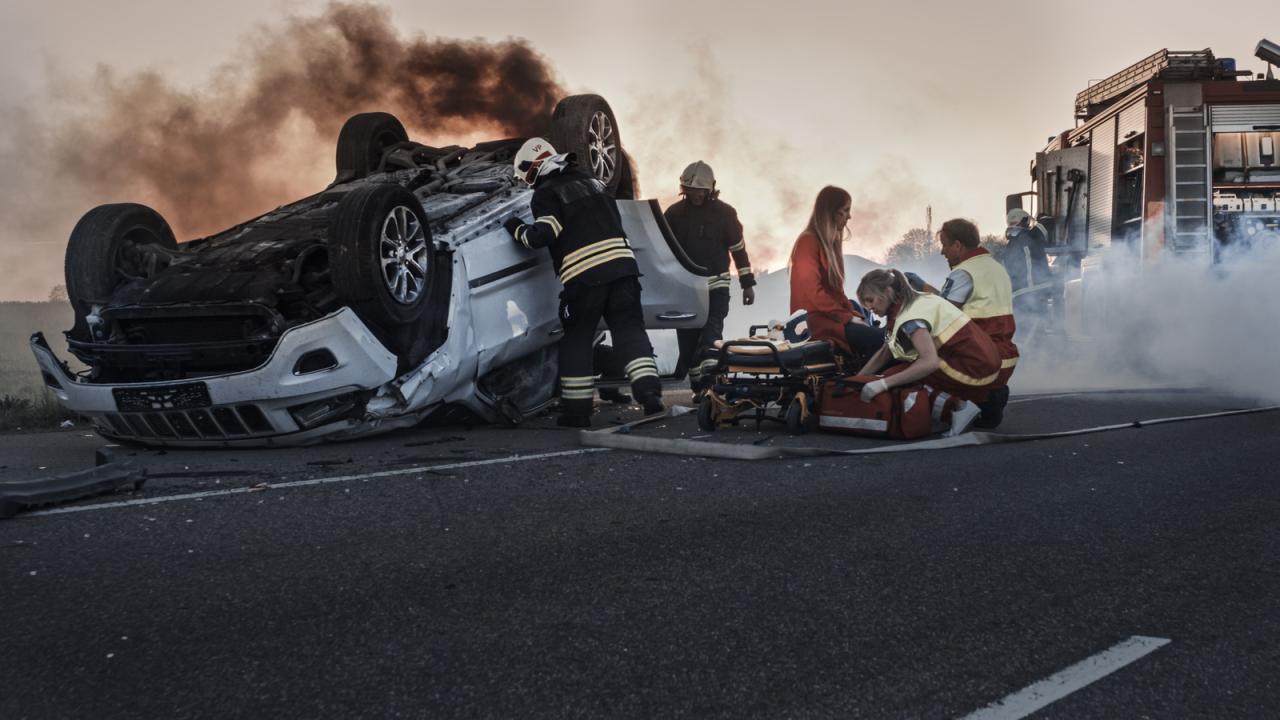
Another prominent YouTuber, James “The Stradman,” experienced a heart-stopping crash in his custom-wrapped Lamborghini Aventador, a car valued at over $500,000. Unlike the Bugatti incident, this was a high-speed accident where he lost control on a canyon road, spinning multiple times before hitting a barrier.
A. The Incident: The crash was a classic case of a high-performance vehicle exceeding the driver’s limits on a public road. The Lamborghini suffered extensive damage to its front and rear ends, a sight that horrified his millions of subscribers.
B. The Human Element and Transparent Recovery: Stradman’s handling of the situation was notable for its raw honesty and vulnerability. He didn’t shy away. He documented the entire process: the initial shock and gratitude for being unharmed, the towing of the wrecked supercar, the complex insurance negotiations, and the lengthy repair process. He turned the disaster into a multi-part series, educating his audience on the real-world consequences of such an event.
C. The Long-Term Impact: This transparency built immense trust. His audience didn’t just see the glamorous side of owning supercars; they saw the risks, the costs, and the headaches. The crash humanized him, making his content more relatable and grounded. It served as a powerful cautionary tale, not just for him, but for all his viewers, about the importance of respecting the power of these machines.
C. The Ripple Effect: Consequences Beyond the Crushed Carbon Fiber
The immediate cost of the car is only the first line item in a long list of repercussions.
A. Financial Ruin and the Insurance Maze: The assumption is that insurance will simply cover everything. The reality is far more complex.
* Gap Insurance: For new or financed hypercars, standard insurance might only cover the vehicle’s current market value, not the original purchase price. Gap insurance is crucial.
* Agreed Value Policies: Many collectors use “agreed value” policies, but these come with strict stipulations on usage, storage, and driver eligibility. A commercial use case (like YouTube filming) could potentially complicate a claim.
* Skyrocketing Premiums: After a major at-fault claim, insurance premiums can increase by hundreds of percent, making the long-term cost of ownership prohibitively expensive.
B. Reputational Damage and Audience Trust: An audience follows an influencer for expertise, inspiration, or entertainment. A serious crash, especially one perceived as reckless, can shatter that trust. Followers may question the influencer’s judgment, maturity, and respect for their own safety and the safety of others. This can lead to a loss of subscribers, decreased engagement, and a tarnished brand that is less attractive to corporate sponsors.
C. Sponsorship Fallout and Brand Deals: Companies are inherently risk-averse. A high-profile crash can make an influencer “uninsurable” from a sponsorship perspective. Brands may see them as a liability, fearing association with recklessness and negative publicity. Existing contracts often have “morality clauses” or clauses related to bringing the brand into disrepute, which could be triggered, leading to terminated deals and lost income.
D. Legal and Liability Nightmares: If the crash involves other vehicles, property damage, or injuries, the influencer faces potential lawsuits that could dwarf the cost of the car itself. The viral nature of the incident can also attract heightened scrutiny from law enforcement, potentially leading to more severe charges.
D. The Playbook for Survival: Navigating the Aftermath of a Public Crash
For a content creator, the minutes, hours, and days following a crash are critical. A misstep here can compound the damage exponentially.
A. Phase 1: Immediate Response (The First 24 Hours)
* Prioritize Safety and Legality: Ensure everyone is safe and receive medical attention if needed. Cooperate fully with police and emergency services. This is non-negotiable.
* Secure the Scene and Manage Footage: Politely ask bystanders to stop filming, though this is often a losing battle. Your priority is to manage the situation, not to control the uncontrollable.
* The Strategic Silence: Do not immediately post on social media. Do not assign blame, make jokes, or offer a play-by-play. Inform your closest team or family and consult with a lawyer and your public relations representative before making any public statements.
B. Phase 2: The Strategic Communication (Days 1-7)
* Craft a Sincere, Owned Narrative: Once you have legal counsel, release a formal statement. This is best done on a platform you control, like your YouTube channel or a full blog post, not just a fleeting Instagram Story.
* Take Accountability (If Applicable): If you were at fault, a sincere apology is powerful. Acknowledge the mistake, express gratitude for no serious injuries, and outline what you are learning from the experience. Avoid the “non-apology” apology (“I’m sorry if people were offended”).
* Control the Frame: Like Armani and Stradman, decide how you want this story to be framed. Is it a lesson in humility? A testament to engineering safety? A turning point in your personal growth? By controlling the narrative on your own channel, you can dilute the power of external critics.
C. Phase 3: The Long Game: Recovery and Reinvention (Weeks and Months Later)
* Document the Rebuild (Literally and Figuratively): The repair process of a hypercar is a fascinating story in itself. Documenting it can re-engage your audience and demonstrate resilience.
* Diversify Your Content: Use this as an opportunity to show other facets of your life and brand. Don’t let the crash become the only thing you are known for.
* Become an Advocate for Safety: Turn your mistake into a message. Partner with driving schools, advocate for track-day education, and speak openly about the responsibilities of driving high-performance vehicles. This transforms a negative into a force for positive change and can rehabilitate your image significantly.
E. The Unseen Costs: Psychological and Emotional Toll
Beyond the financial and reputational damage lies a profound psychological impact that is often overlooked. The intense public scrutiny, the wave of negative comments, and the death threats that sometimes follow can be devastating. The influencer may experience:
-
Anxiety and Depression: The stress of managing the crisis, coupled with public shame, can trigger serious mental health issues.
-
Post-Traumatic Stress Disorder (PTSD): A serious car crash is a traumatic event, regardless of the material loss. The sounds, sights, and feelings can replay in their mind, leading to PTSD.
-
Loss of Passion: The thing they loved most cars and driving may now be associated with fear, anxiety, and failure.
Acknowledging and addressing this emotional toll is a critical, yet often ignored, part of the recovery process.
Conclusion: The Double-Edged Sword of Digital Fame
The most expensive car crashes in social media history are not measured in dollars and cents alone. The true cost is a complex amalgamation of financial loss, reputational capital, mental well-being, and public trust. These incidents serve as stark reminders of the double-edged sword of digital fame. The same platforms that grant immense wealth and global recognition can also magnify failure to an unprecedented degree.
However, as the cases of Armani and Stradman show, a crash does not have to be the end of the story. In the digital colosseum, the crowd is watching not just for the fall, but for the comeback. Through transparency, accountability, and strategic communication, a catastrophic event can be reframed into a powerful narrative of human fallibility, resilience, and redemption. The ultimate lesson is clear: in the age of social media, it’s not the crash that defines you, but how you choose to rebuild.