For over a century, the automobile has been a symbol of freedom, power, and independence. We cherish it for its ability to take us wherever we desire, a trusted companion on life’s journeys. But what if this companion is also a silent, observant guardian of our most precious asset: our health? We are on the precipice of a revolutionary convergence where the automotive and healthcare industries are merging in unexpected ways. Your car, increasingly a sophisticated computer on wheels, is accumulating a treasure trove of data that can paint a startlingly accurate picture of your physical and mental well-being. Long before you schedule a doctor’s appointment or notice persistent symptoms, your vehicle’s sensors and software may have already identified patterns indicative of serious health issues. This article delves deep into the science of how your daily drive is transforming into a proactive health screening tool, predicting problems from sleep disorders to cardiovascular conditions.
The Data-Driven Vehicle: A Network of Silent Observers
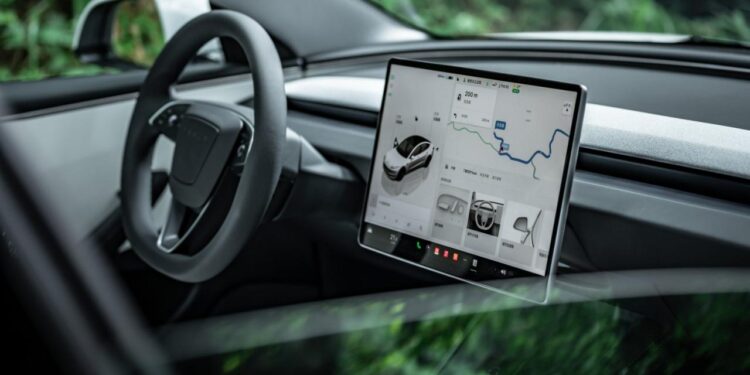
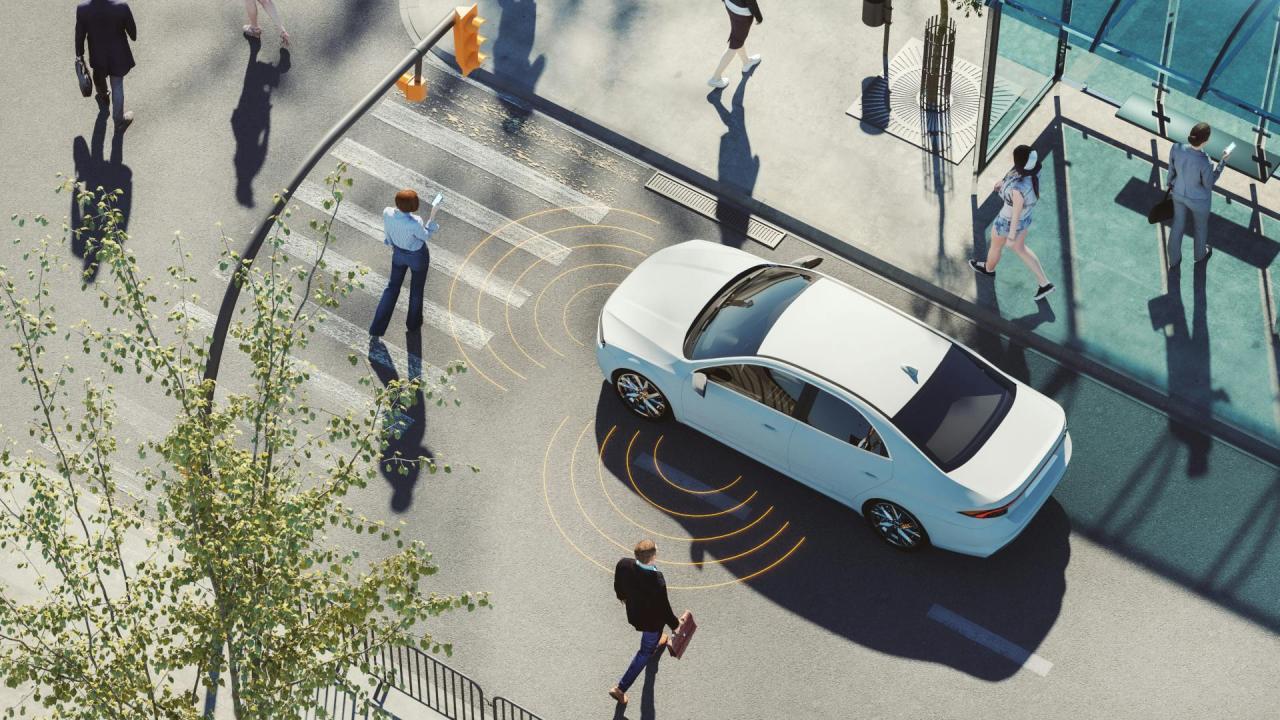
Modern vehicles, especially those produced in the last five to seven years, are equipped with an array of sensors and processors that go far beyond managing engine performance and airbag deployment. They are data collection powerhouses. To understand how they can monitor health, we must first appreciate the technological ecosystem within your car.
A. Driver Monitoring Systems (DMS): Using infrared cameras and sensors, these systems track head position, eyelid closure, gaze direction, and blink rate. Initially designed for safety alerts like driver drowsiness, this data is a goldmine for assessing alertness, cognitive load, and even neurological function.
B. Steering, Braking, and Acceleration Telematics: The vehicle constantly monitors the micro-adjustments you make to the steering wheel, the pressure and consistency of your braking, and the smoothness of your acceleration. Erratic patterns here can be a sign of physical impairment, fatigue, or cognitive distraction.
C. In-Car Cameras and Microphones: Cabin-facing cameras and sophisticated microphone arrays can analyze facial expressions for signs of stress, fatigue, or pain. Voice recognition systems can detect subtle changes in speech patterns, tone, and clarity that might indicate intoxication, exhaustion, or certain medical conditions.
D. Seat and Seatbelt Sensors: Advanced weight sensors can detect your seating position, fidgeting, and even your breathing rate through minute movements. A seatbelt retractor’s mechanism can sense heart rate and respiration through pulsations and chest movements.
E. Smartphone Integration (Apple CarPlay, Android Auto): While not part of the car itself, the deep integration with your smartphone allows for a correlated data stream. Your phone’s health apps (sleep, heart rate, activity) can be cross-referenced with driving behavior data to build a more complete health profile.
F. GPS and Navigation Data: Your destinations (frequent trips to a new pharmacy or specialist?), driving times, and even the routes you choose can indirectly hint at lifestyle changes or health-related appointments.
This interconnected web of data points creates a continuous, passive bio-behavioral monitoring system, all without you ever wearing a single smartwatch or fitness tracker.
Connecting the Dots: From Driving Anomalies to Medical Diagnoses
The raw data from your car is just noise without intelligent analysis. Through machine learning algorithms and pattern recognition, these disparate data points can be synthesized into meaningful health insights. Here’s a detailed breakdown of specific health issues your car can predict.
A. Predicting Sleep Apnea and Chronic Sleep Disorders
One of the most well-established correlations is between poor sleep and impaired driving. Sleep apnea, a condition characterized by repeated breathing interruptions during sleep, leads to severe daytime drowsiness.
-
The Data Evidence: A vehicle can detect the classic micro-sleep episodes—brief, unintended lapses into sleep. The DMS will notice prolonged eyelid closure or a drooping head. Simultaneously, the steering telematics will show slight, uncorrected drifts within the lane, followed by a sudden, sharp correction. This “saw-tooth” pattern in steering data is a hallmark of a driver fighting sleep.
-
The Predictive Power: By consistently identifying these episodes, especially during times when a well-rested person should be alert (e.g., a morning commute), the car’s system can flag the likelihood of an underlying sleep disorder. Research from institutions like Harvard Medical School has shown that drivers with untreated sleep apnea have a significantly higher rate of near-miss accidents, and their driving data mirrors this. Your car wouldn’t just say you’re tired; it could suggest you might have a clinically significant condition requiring a sleep study.
B. Early Warning Signs for Cardiovascular Issues
The rhythmic beating of your heart and the steady rise and fall of your breath create subtle vibrations. Advanced seat sensors, particularly those in the seatback, are now sensitive enough to act as a form of ballistocardiography (BCG) a technique for measuring the body’s recoil from cardiac activity.
-
The Data Evidence: An elevated resting heart rate during a calm, highway drive, or an irregular heartbeat (arrhythmia) detected through the seatbelt mechanism, can be early indicators. Changes in respiratory rate, such as unexplained breathlessness during normal driving, can also be monitored.
-
The Predictive Power: While not a replacement for an EKG, persistent anomalies can serve as a crucial early warning system. If the system detects a pattern of atrial fibrillation (AFib) over several journeys, it could alert the driver to consult a cardiologist. For individuals with known heart conditions, this continuous monitoring could provide a safety net, alerting them and their doctors to worsening symptoms.
C. Identifying Cognitive Decline and Neurological Conditions
Conditions like Alzheimer’s disease, other forms of dementia, and even Parkinson’s disease manifest through gradual changes in cognitive and motor skills. The act of driving is a complex cognitive task involving memory, navigation, decision-making, and physical coordination.
-
The Data Evidence: The car’s navigation system can log instances of getting lost on familiar routes. Driving data may reveal hesitation, slower reaction times in simulated events (like a forward-collision warning), and difficulty with complex maneuvers like parallel parking. A DMS might detect a “thousand-yard stare” or reduced situational awareness.
-
The Predictive Power: A longitudinal study of driving behavior can reveal a decline that is often too gradual for family members to notice immediately. A 2023 study published in the Journal of the American Geriatrics Society found that GPS driving data could predict a preclinical Alzheimer’s diagnosis with 88% accuracy. By establishing a driver’s baseline behavior years prior, the vehicle can detect significant deviations that warrant a neurological evaluation.
D. Monitoring Mental Health and Stress Levels
Our emotional state profoundly affects how we drive. Periods of high stress, anxiety, or depression leave clear signatures in driving data.
-
The Data Evidence: Aggressive driving behaviors harsh acceleration, sudden braking, rapid lane changes are strongly correlated with elevated stress levels. Conversely, lethargic driving, significantly reduced average speed, and infrequent trips can be indicators of depression or social withdrawal. Voice analysis from hands-free calls could detect a flat, monotone voice associated with depression, or a tense, agitated tone linked to anxiety.
-
The Predictive Power: By creating a “mental wellness score” based on driving behavior, a vehicle could notify a user that their patterns suggest prolonged periods of high stress. It could then suggest integrated wellness apps, breathing exercises, or even prompt them to contact a mental health professional. This moves the car from a mere transport module to a partner in holistic well-being.
The Real-World Applications and Pilot Programs
This is not merely speculative futurism. Major automotive manufacturers, tech companies, and insurance providers are actively investing in and testing these applications.
-
Toyota and Hyundai: Have filed patents for systems that use steering wheel sensors to monitor heart rate and blood pressure, with the aim of detecting cardiovascular events like heart attacks before they become catastrophic.
-
Jaguar Land Rover: Has researched a “Wellness Seat” that uses medical-grade sensors to track the driver’s vital signs, including respiration and heart rate.
-
Insurance Telematics: Programs like Progressive’s Snapshot or Allstate’s Drivewise already collect driving data for personalized rates. The next logical step is to partner with health insurers or wellness programs to offer discounts for healthy driving behaviors that correlate with good health.
-
University Research: Institutions like the University of Washington and MIT are conducting extensive research, often in collaboration with car companies, to refine the algorithms that translate driving data into health diagnostics.
The Critical Challenges: Privacy, Ethics, and Data Security
The potential of this technology is immense, but it raises profound questions that society must address.
A. Data Ownership and Consent: Who owns your bio-behavioral data? Is it you, the car manufacturer, the software provider, or the insurance company? Current end-user license agreements (EULAs) are often opaque. Truly informed, explicit consent must be the standard, not buried in legalese.
B. The Privacy Paradox: Are we willing to trade the most intimate details of our health for convenience or potential safety benefits? The idea of our car reporting on our mental state or physical frailties creates a “panopticon on wheels,” with significant potential for misuse.
C. Data Security: This health data is incredibly sensitive. A car’s computer system becoming a node on the internet of things (IoT) makes it a target for hackers. A breach could lead to the exposure of not just your location history, but your heart rate variability, sleep patterns, and potential pre-diagnosed conditions.
D. Insurance and Discrimination: The most significant fear is the creation of a “health credit score.” Could your car’s data be used by health or life insurance companies to deny coverage or dramatically increase premiums based on predicted future illness? Robust legislation, akin to the Genetic Information Nondiscrimination Act (GINA), will be necessary to prevent such discrimination.
E. Diagnostic Accuracy and Liability: What happens if the car’s algorithm gives a false positive, causing undue stress? Worse, what if it gives a false negative, reassuring a driver who is actually developing a serious condition? Establishing the limits of this technology and defining liability is a complex legal frontier.

The Road Ahead: A Future of Integrated Vehicular Health
Despite the challenges, the momentum is undeniable. The future points toward a deeply integrated system where your car acts as a partner in your health ecosystem.
-
Seamless Integration with Health Records: With explicit user permission, anonymized or aggregated driving data could be sent to your primary care physician’s digital dashboard, providing real-world, longitudinal data that is impossible to gather in a 15-minute annual check-up.
-
Proactive Alerts and Interventions: Your car could gently suggest, “Your driving patterns indicate extreme fatigue. I have located a safe rest area 2 miles ahead,” or, “I’ve detected a persistent anomaly in your heart rhythm. Would you like me to contact your cardiologist and share the data trend?”
-
Automated Emergency Response 2.0: Beyond crash response (e.g., OnStar), future systems could automatically slow the vehicle, pull it over, and summon emergency services if they detect the driver is having a stroke, heart attack, or severe diabetic episode, transmitting vital signs to the dispatcher en route.
-
Personalized In-Car Wellness: The cabin environment could adapt to your needs adjusting lighting, climate, and even suggesting calming music or a breathing exercise if it detects rising stress levels through your grip on the steering wheel.
Conclusion: Embracing a New Co-Pilot for Our Well-being
The relationship between humans and their cars is undergoing a fundamental transformation. The vehicle is evolving from a dumb metal box into an intelligent, sensing environment that knows us in ways we are only beginning to comprehend. Its ability to predict our health issues is a powerful testament to the potential of data when used ethically and responsibly. While we must navigate the legitimate concerns about privacy and security with caution and robust regulation, we should not ignore the monumental opportunity. By welcoming our cars as a new, proactive partner in health management, we can shift the entire medical paradigm from reactive treatment to proactive, continuous, and deeply personalized prevention. The open road ahead is not just about the destination, but about ensuring we are healthy enough to enjoy the journey.