For generations, the luxury automobile has stood as more than mere transportation; it is a rolling emblem of success, a tangible asset representing engineering prowess, personal achievement, and refined taste. A cornerstone of this perception has been a degree of financial prudence, underpinned by the belief that while all cars depreciate, a premium marque would hold its value with a certain resilience, softening the blow of its initial high cost. However, the global automotive landscape is undergoing a seismic shift, one that is fundamentally rewriting the rules of ownership. Luxury car depreciation is not just occurring; it is accelerating at a record-breaking pace, creating a new paradigm of risk and opportunity for buyers, sellers, and investors alike. This article delves deep into the complex confluence of factors driving this unprecedented plunge, explores the models most affected, and provides a strategic roadmap for navigating this turbulent new market.
A. Deconstructing the Depreciation Downturn: A Perfect Storm of Factors
The steep decline in luxury car values is not the result of a single event but rather a “perfect storm” of macroeconomic, industrial, and societal changes. Understanding these interconnected forces is crucial to comprehending the full scope of the issue.
A.1. The Macroeconomic Squeeze: Inflation, Interest Rates, and Recession Fears
The global economic environment has become significantly less hospitable to big-ticket discretionary purchases. Central banks worldwide have aggressively raised interest rates to combat inflation, making financing for a new luxury vehicle substantially more expensive. What was once a manageable monthly payment has now ballooned, pushing potential buyers out of the market. Concurrently, the rising cost of living from housing to groceries has forced many households to re-prioritize their spending, often sidelining the dream of a new luxury car. The lingering fear of a potential recession further dampens consumer confidence, causing individuals to hold onto their current vehicles or seek more budget-friendly alternatives.
A.2. The Floodgates Open: A Tsunami of Off-Lease Vehicles
The current depreciation crisis has its roots in decisions made three to four years ago. During the peak of economic optimism and pre-pandemic stability, luxury car manufacturers and their captive finance arms pushed aggressive leasing programs. These deals, often with high residual values assumptions, made entry into a new BMW, Mercedes-Benz, or Audi remarkably accessible. Now, those leases are maturing, and a massive wave of these off-lease vehicles is hitting the used car market. The fundamental law of supply and demand is at play: a sudden, enormous influx of nearly identical, two-to-three-year-old luxury sedans and SUVs has drastically outstripped buyer demand, causing resale values to plummet.
A.3. The Crippling Cost of Ownership and Complex Repairs
Beyond the purchase price, the total cost of ownership for a modern luxury car has skyrocketed, scaring away savvy used-car buyers. Today’s premium vehicles are veritable supercomputers on wheels, packed with complex driver-assistance systems, intricate infotainment suites, and sophisticated hybrid powertrains. When these systems fail, the repair bills can be astronomical. A simple bumper replacement is no longer just a bumper; it involves recalibrating a suite of radar sensors and cameras. Furthermore, the cost of premium tires, specialized synthetic oils, and high-dealer labor rates adds up. For a used buyer, the risk of a single, out-of-warranty repair costing thousands of dollars is a powerful deterrent, thereby suppressing the resale value of the entire segment.
A.4. The Electric Revolution and Consumer Mindset Shift
The automotive industry is in the throes of its most significant transformation in a century: the pivot to electrification. Luxury brands are at the forefront, investing billions in new Electric Vehicle (EV) platforms. This has a twofold effect on the values of their internal combustion engine (ICE) counterparts. First, it creates technological obsolescence. A gas-powered luxury sedan from 2021 is now perceived as a relic of a past era compared to a silent, instant-torque EV from the same brand. Second, government regulations and manufacturer pledges to go fully electric have led to a perception that ICE vehicles, especially in the luxury segment, are depreciating assets on a timer. Why invest heavily in a technology that is being phased out?
A.5. The Evolving Definition of “Luxury”
The very definition of what constitutes a luxury vehicle is evolving. Traditional badges of honor a powerful engine, a leather-clad interior, a prestigious grille are being challenged by new priorities. For a growing segment of consumers, especially younger, tech-savvy buyers, true luxury is defined by seamless software, over-the-air updates, autonomous driving capabilities, and a minimalist, digitally-integrated cabin. Brands like Tesla have built their entire identity on this premise. Consequently, a traditional luxury car that lacks cutting-edge, user-friendly software can feel dated within a year of its release, accelerating its depreciation as it falls behind the digital curve.
B. The Depreciation Hall of Shame: Models Taking the Biggest Hit
While the trend is sector-wide, some vehicle categories and specific models are experiencing a more dramatic value collapse than others.
B.1. The Executive Sedan Segment: A Bloodbath of Value
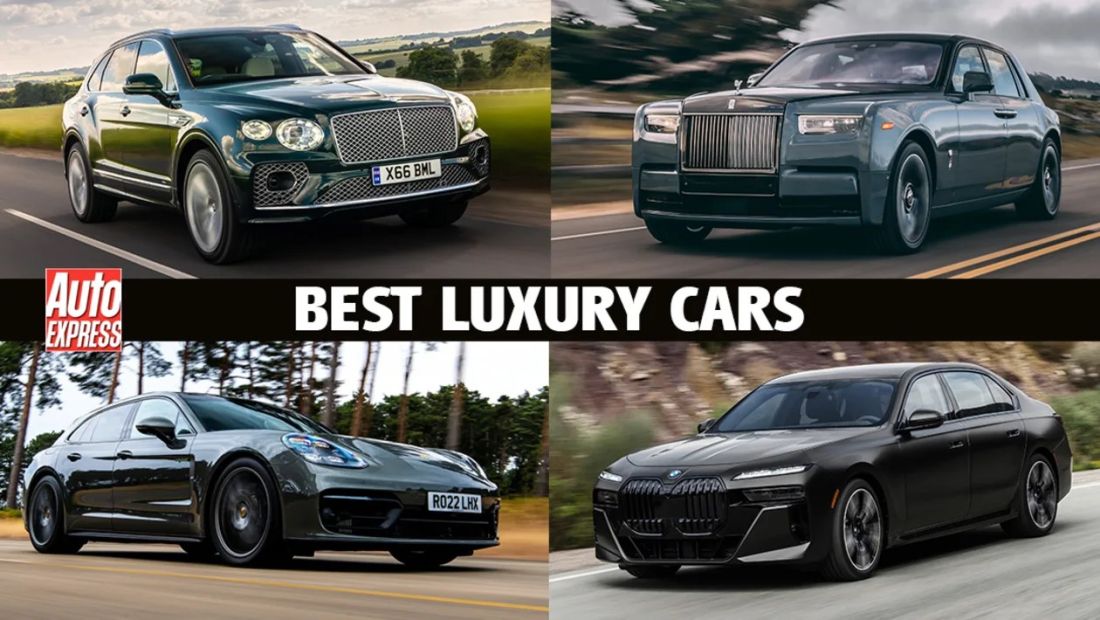
The traditional flagship sedan the BMW 7-Series, Mercedes-Benz S-Class, and Audi A8 has been hit exceptionally hard. These vehicles represent the peak of a brand’s ICE technology and are often packed with expensive, depreciation-prone options. Their high running costs and the fact that they are frequently used as chauffeur-driven fleet vehicles, accumulating high mileage quickly, contribute to their rapid value decline. The arrival of all-electric alternatives like the Mercedes EQS and BMW i7 has further cannibalized demand for their gasoline siblings, making the pre-owned market for these titans particularly soft.
B.2. The First-Generation Luxury EV: A Cautionary Tale
The early adopters of luxury EVs are facing a harsh reality. The first-generation models from established brands, such as the Audi e-tron (now Q8 e-tron) and Jaguar I-Pace, are depreciating at an alarming rate. This is due to rapid technological advancement. A 2019 model with a 200-mile range feels primitive compared to a 2024 model offering 300+ miles, faster charging, and more refined software. The high cost of battery replacement (even if unlikely) also looms large in the minds of used buyers, suppressing values.
B.3. High-Performance Super Sedans and Coupes
Vehicles like the BMW M5, Mercedes-AMG E63, and Audi RS7 represent the ultimate blend of performance and practicality. However, their brutal performance comes with equally brutal ownership costs. The maintenance, tire replacement, and fuel consumption for these vehicles are prodigious. Furthermore, they are often driven hard, leading to higher wear and tear. The combination of fearsome running costs and the risk of purchasing a vehicle that has been aggressively used makes them a risky proposition on the used market, leading to steep depreciation curves.
C. The Silver Lining: Strategic Opportunities in a Soft Market
For every seller facing a loss, there is a potential buyer presented with a unique opportunity. The record depreciation in the luxury car market has created a landscape ripe with strategic advantages for the informed and cautious.
C.1. The “Nearly New” Bargain Hunter’s Paradise
The single biggest beneficiary of this trend is the savvy used car buyer. The flood of off-lease, low-mileage, and well-maintained vehicles means that it is now possible to acquire a two or three-year-old luxury car for a fraction of its original MSRP. A vehicle that cost $80,000 new can often be found for $45,000-$50,000, offering incredible value. These cars often have much of their original factory warranty remaining, providing a safety net for the new owner. This allows individuals to experience premium brands, build quality, and performance that were previously out of financial reach.
C.2. The Certified Pre-Owned (CPO) Advantage
In this environment, manufacturer-backed Certified Pre-Owned (CPO) programs become exceptionally attractive. While a CPO car may carry a slight premium over a non-certified equivalent, the benefits are substantial. These programs typically include a comprehensive multi-point inspection, an extended warranty, and often include complimentary maintenance. For a buyer wary of the high repair costs of a complex luxury vehicle, the peace of mind offered by a CPO warranty is worth its weight in gold, making it a smart compromise between a new car’s cost and a private sale’s risk.
C.3. A Reassessment of Ownership Models
The steep depreciation is forcing a rethink of traditional ownership. The concept of “buying new and driving it into the ground” becomes financially untenable when a car loses 50% of its value in two years. This is making leasing a more critically evaluated option. While a lessee is insulated from the depreciation hit (they are simply paying for the vehicle’s decline in value during the lease term), they also build no equity. For others, subscription services or simply opting for a longer ownership cycle with a carefully selected used model are becoming more rational financial strategies.
D. A Forward-Looking Guide: How to Protect Your Investment Today
Whether you are a current owner, a prospective buyer, or a future new-car purchaser, navigating this new reality requires a revised set of strategies.
D.1. For the Prospective Used Luxury Car Buyer:
A. Prioritize Warranty Coverage: Focus your search on vehicles with a strong remaining factory warranty or a robust CPO warranty. This is your primary defense against catastrophic repair bills.
B. Conduct a Deep-Dive Vehicle History Report: Use services like Carfax or AutoCheck to uncover accidents, title issues, and confirm service history. A single accident can decimate a luxury car’s value and reliability.
C. Research Model-Specific Issues: Before falling in love with a specific model, invest time in online owner forums and reliability surveys. Some models and model years have known, expensive issues you must avoid.
D. Get a Pre-Purchase Inspection (PPI): Never skip a PPI from a trusted, independent mechanic specializing in the brand. The few hundred dollars spent could save you thousands by uncovering hidden problems.
D.2. For the Current Owner Looking to Sell:
A. Timing is Critical: The moment your factory warranty expires is often when the value takes another significant drop. Consider selling just before this milestone.
B. Document Everything: A complete and meticulous service history, preferably performed at a dealership or reputable specialist, can significantly increase your car’s appeal and value.
C. Be Realistic with Pricing: Emotion must be separated from the transaction. Research current market values on platforms like Kelley Blue Book (KBB) and Edmunds, and price your vehicle competitively based on the new market reality, not what you paid for it.
D.3. For the Future New Car Buyer:
A. Think Long-Term: If you plan to purchase a new luxury vehicle, you must adopt a long-term ownership mindset (7-10 years) to amortize the massive initial depreciation over a longer period.
B. Negotiate Aggressively: Understand that the sticker price is a starting point. With high inventory and softening demand, you have more negotiating power than in recent years.
C. Consider Depreciation in Your Choice: Some brands and body styles (e.g., certain luxury SUVs, sports cars like the Porsche 911) historically hold their value better than others. Factor this resale value forecast into your total cost of ownership calculation.
Conclusion: The New Calculus of Automotive Prestige
The record depreciation of luxury cars marks a pivotal moment, signaling the end of an era where a premium badge was a semi-stable asset. The convergence of economic pressures, technological disruption, and market oversupply has created a new, more volatile landscape. For the auto industry, it is a call to re-evaluate business models and product strategies. For consumers, it dismantles old assumptions and demands a more sophisticated, informed approach. The thrill of luxury automotive ownership remains, but it is now tempered by a new financial reality. In this transformed market, the ultimate luxury may no longer be the car itself, but the wisdom required to acquire and own it smartly. The key to navigating this plunge lies not in lamenting the past, but in adapting to the present and strategically planning for the future.