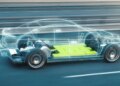
For over a century, the fundamental layout of the automobile interior has remained remarkably consistent. A steering wheel, a cluster of dials, a gear shifter, and an array of physical buttons have been the unchallenged constants in the driver’s cockpit. This familiar landscape, however, is on the brink of an unprecedented transformation. We are entering the era where Artificial Intelligence (AI) is not just an added feature but the chief architect of the cabin space. AI is completely redesigning car interiors, moving beyond simple infotainment to create living, breathing environments that are hyper-personalized, intuitively interactive, and fundamentally reimagined for the age of autonomy.
This is not a minor upgrade; it is a paradigm shift. The car interior is being reborn from a static vessel for occupants into a dynamic, intelligent partner in the journey. This comprehensive exploration will delve into the core mechanisms of this revolution, charting the demise of the traditional dashboard, the rise of the “Living Cabin,” and the profound implications for every individual who steps inside a vehicle.
A. The Core AI Technologies Powering the Interior Metamorphosis
To understand the scale of the change, one must first grasp the sophisticated suite of AI technologies working in concert. These are not singular systems but a deeply integrated network that forms the nervous system of the modern vehicle.
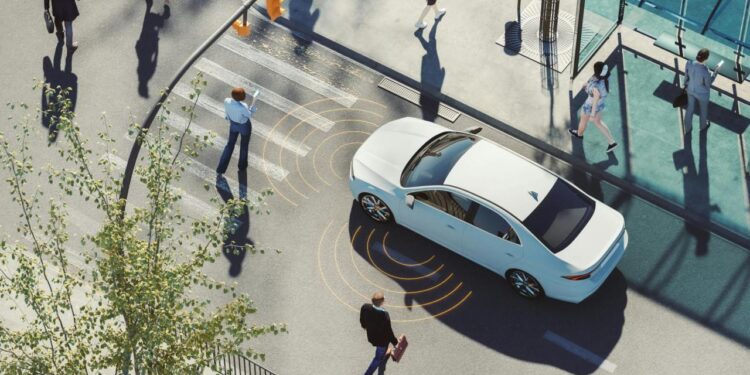
A. Computer Vision and Interior Sensing: Advanced cameras and sensors discreetly embedded throughout the cabin continuously monitor the environment. This goes far beyond a simple driver-monitoring system. AI-powered computer vision can identify the number of occupants, their size, their posture, and even subtle cues like head and eye movements. It can detect a child leaning too far forward, a passenger searching for a lost item on the floor, or a driver showing signs of fatigue. This real-time visual data is the primary input that allows the AI to understand the context within the cabin.
B. Natural Language Processing (NLP) and Advanced Voice Assistants: The days of stilted, command-based voice systems are over. Next-generation NLP allows for conversational, context-aware interaction. Occupants can speak to the car as they would to a human assistant, using complex, multi-part requests. For instance, “I’m cold, find me the nearest coffee shop, and play some relaxing jazz,” becomes a single, executable command. The AI understands intent, not just keywords, creating a seamless and frustration-free interface that reduces the need for physical touchpoints.
C. Predictive Analytics and Machine Learning: This is the brain of the operation. Machine learning algorithms analyze vast datasets both from the collective fleet of vehicles and from the individual user’s habits. By learning patterns over time, the AI can anticipate needs. It knows you usually call your spouse on the way home from work on Wednesdays, that you prefer the seat heater on when the external temperature drops below 50°F, and that your commute route is typically congested at 5 PM. This predictive capability allows the car to proactively prepare the environment, suggesting departures, pre-conditioning the cabin, and curating content.
D. Biometric and Physiological Monitoring: Integrating with health technology, AI can use sensors in the steering wheel, seats, and cameras to monitor vital signs such as heart rate, blood oxygen levels, and stress indicators. If it detects a driver experiencing a medical event like a sudden drop in heart rate, it can safely pull the vehicle over and alert emergency services. On a more mundane level, it can suggest taking a break if it senses rising stress or fatigue, perhaps even diffusing a calming scent or adjusting the lighting.
B. The Phased Demise of the Traditional Dashboard and Physical Controls
The most visible and dramatic change AI is instigating is the radical simplification, or outright elimination, of the physical dashboard. This transition is happening in several distinct phases, each pushing the boundary further.
Phase 1: The Digital Canvas – Proliferation of Screens
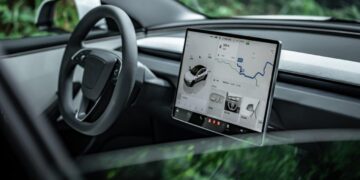
We are currently in the thick of this phase. The traditional cluster of analog gauges is replaced by a high-resolution digital display. The center stack, once a mess of buttons and a small screen, is now dominated by a large, often horizontal or portrait-oriented touchscreen. Some vehicles are introducing passenger-side displays and rear-seat entertainment systems, turning the entire cabin into a digital canvas. While this digitizes functions, the interface often remains a direct translation of physical buttons into digital ones.
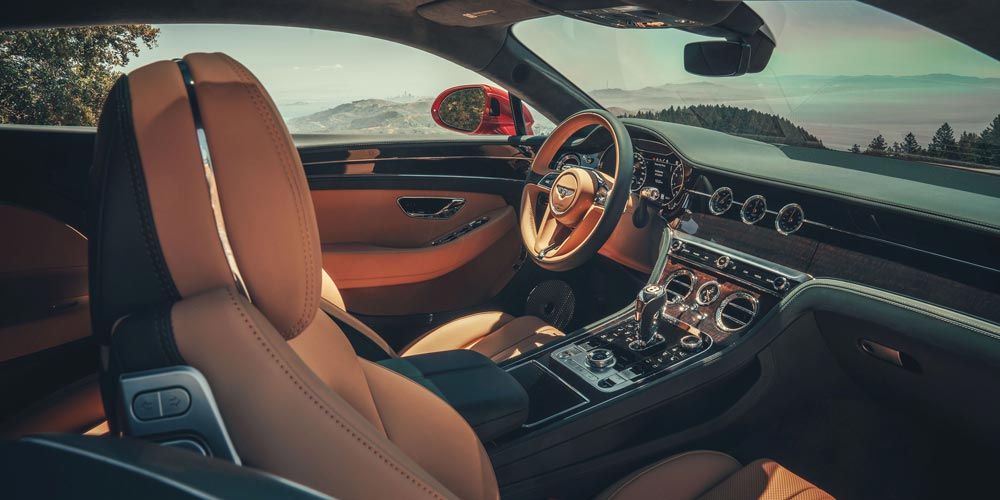
Phase 2: The Adaptive Interface – Context-Aware Displays
AI elevates these screens from static displays to dynamic interfaces. Using computer vision and predictive analytics, the information presented becomes contextually relevant. For example:
-
In poor weather, the primary driving display might automatically enlarge the speedometer and warn of hydroplaning risks.
-
When the AI detects a passenger in the front seat, it may offer them control over the media or navigation on their side of the screen.
-
On a long, empty highway, the display might minimize driving data and surface an upcoming podcast episode, while in complex city traffic, it maximizes navigational cues.
Phase 3: The Projected and Holographic Frontier
The next step is to remove the screens altogether, projecting information directly onto the windshield as augmented reality (AR) and, eventually, creating free-floating holographic displays. An AI-driven AR dashboard could project turn-by-turn navigation arrows that appear to hover over the actual road, highlight potential hazards like a jaywalking pedestrian, and display speed and battery status in the driver’s line of sight. This eliminates the need to refocus from the road to a screen, enhancing safety and decluttering the physical space.
Phase 4: The Zero-Interface Interface
The ultimate goal is an interior with no dedicated screens or traditional controls. Interaction happens through voice, gesture, gaze, and even thought. Surfaces like windows and tabletops can become interactive displays when needed. The cabin appears minimalist and serene, with technology receding into the background until summoned by the occupant’s intent. This is the final form of the AI-driven interior: an empty space that can become anything the moment requires.
C. The Rise of the “Living Cabin”: Hyper-Personalized Environments
With the dashboard dismantled, the cabin transforms into an adaptive shell, a “Living Cabin” that molds itself to its occupants. This is the heart of AI’s value proposition: a deeply personal and responsive experience.
A. Biometric Seating and Climate: Your seat is no longer a passive object. Using biometric data, it can automatically adjust its bolsters, lumbar support, and massage functions to counteract fatigue specific to your posture. The climate control system can move from a zonal to a micro-zonal approach, creating a “bubble” of perfect temperature and airflow around each occupant, all managed automatically by the AI based on their preferences and real-time physiological feedback.
B. Adaptive Ambient Intelligence: Lighting and sound become active tools for well-being. An AI can use a palette of RGB LED lights to reinforce safety (e.g., flashing red on the door if a cyclist is detected), enhance mood (shifting to warm, calming colors after a stressful day), or improve alertness (using cool, blue-toned light on an early morning drive). Similarly, the audio system can create personalized sound zones, allowing the driver to listen to a navigation prompt while passengers watch a movie, all without headphones. The AI could also compose soundscapes in real-time, masking road noise with adaptive frequencies that cancel out specific irritations.
C. Wellness and Health Integration: The car becomes a mobile wellness pod. AI can integrate with your health wearables. If it detects an elevated stress level, it might initiate a guided breathing exercise, cool the cabin temperature, and release a soothing scent like lavender. For long journeys, it could suggest in-seat yoga or stretching routines during charging stops, tailoring the suggestions to the occupants’ known physical limitations or goals.
D. The Advent of Autonomous-Ready Interiors: From Cockpit to Living Room
The full potential of AI-driven interiors is unlocked with the advent of fully autonomous driving (Level 5). When the steering wheel and pedals are no longer needed, the entire cabin geometry can be rethought. AI becomes the essential facilitator of this new spatial freedom.
A. Reconfigurable Furniture: Imagine seats that swivel 360 degrees, allowing passengers to face each other for conversation. Tables can slide out from the dashboard, transforming the cabin into a mobile office, a dining room, or an entertainment center. The AI manages these transformations seamlessly, ensuring that all movement is safe and that objects are stowed securely before the vehicle resumes motion.
B. Immersive Entertainment and Productivity: With no driving duties, the windows can become massive, transparent displays for video conferencing, gaming, or watching movies. The AI curates these experiences, syncing content across all surfaces and managing connectivity to ensure a buffer-free, high-fidelity experience. Your commute becomes the most productive or relaxing part of your day.
C. The AI as a Chauffeur and Concierge: In this scenario, the AI’s role expands from an interior manager to a true chauffeur and concierge. It doesn’t just drive the car; it manages your journey. It can suggest stopping at a landmark it knows you’d enjoy, pre-order your coffee for pickup, and automatically handle payment for tolls and charging. The relationship shifts from human-machine interaction to human-service interaction.
E. The Invisible Guardian: AI for Unprecedented Interior Safety
Beyond comfort and convenience, AI serves as a relentless, invisible guardian, significantly enhancing occupant safety in ways previously confined to science fiction.
A. Advanced Occupant Protection Systems: Current airbag systems are reactive. AI-powered safety systems are predictive. By continuously monitoring the position, posture, and size of every occupant, the AI can tailor the deployment of airbags in a collision with pinpoint precision. For a smaller passenger slouching in their seat, the airbag will deploy with less force and at a different angle than for a larger passenger sitting upright, maximizing protection and minimizing injury from the safety system itself.
B. Pre-Collision Posture Optimization: In the split milliseconds before an unavoidable collision, the AI can take proactive measures. It can pre-tension seatbelts, move seats into an optimal position for airbag deployment, and even close windows and sunroofs to ensure the integrity of the cabin’s safety cell. This proactive intervention can dramatically reduce the severity of injuries.
C. Child and Pet Safety: AI can be programmed to be hyper-vigilant about the most vulnerable occupants. It can send alerts to a parent’s phone if a child is left unattended in the car, a leading cause of pediatric vehicular stroke. It can monitor a pet’s activity in the cargo area and adjust climate control to ensure its comfort, or alert the driver if the animal shows signs of distress.
F. Challenges and Ethical Considerations on the Road Ahead
This AI-driven utopia is not without its significant challenges and ethical dilemmas that must be navigated carefully.
A. The Data Privacy Paradox: The level of personalization requires an immense amount of highly sensitive biometric, location, and behavioral data. The question of who owns this data, how it is stored, who it is shared with (insurers, advertisers, law enforcement), and how it is protected from hackers is paramount. Manufacturers must be transparent and give users genuine control over their digital footprint.
B. Over-Reliance and Skill Atrophy: As interfaces become more automated and intuitive, there is a risk that drivers may lose essential driving skills. In a semi-autonomous vehicle, the human must still be ready to take control in an emergency. An overly comfortable, disengaged driver may have slower reaction times. The AI must be designed to keep the driver in the loop when necessary.

C. The Digital Divide and Accessibility: Will these advanced, software-defined interiors lead to a subscription-based model for comfort and safety features? Could a monthly fee be required to access enhanced seat functions or the full suite of driver-assistance features? This risks creating a two-tier system where safety becomes a luxury. Furthermore, interfaces must be designed to be accessible to all, including the elderly and those with disabilities, ensuring that the future of mobility is inclusive.
D. The Loss of Tactile Feedback: The complete removal of physical buttons, while creating a clean aesthetic, presents a usability and safety problem. Tactile buttons provide haptic feedback that allows for muscle memory and use without taking one’s eyes off the road. A purely voice- or touch-based system can be more distracting. The optimal solution likely lies in a hybrid approach or in the development of advanced haptic feedback systems that recreate the sensation of physical controls on flat surfaces.
Conclusion: The Journey to an Intelligent, Empathic, and Transformative Space
The redesign of car interiors by Artificial Intelligence marks one of the most significant shifts in automotive history since the invention of the assembly line. We are moving from the era of the mechanical cabin to the dawn of the empathetic cabin. The car is evolving from a mere mode of transport into a personalized, safe, and productive sanctuary that understands and anticipates our needs.
The road ahead is paved with both breathtaking potential and serious questions that society must answer. However, the direction is clear. The fusion of AI, sensor technology, and interior design is creating vehicles that are not just about getting us from point A to point B, but about enhancing the quality of our lives during the journey itself. The interior of the future will be a space that breathes with us, protects us, and understands us a true partner on the road, engineered not just by metal and code, but by intelligence.